What does alternative wellness mean today?
Alternative wellness refers to healing philosophies and practices outside the dominant biomedical model. In Pakistan, this includes Unani medicine, Ayurveda, herbalism, energy practices, and mind-body techniques. The key is exploration with discernment: respecting traditional knowledge while recognizing when clinical care is necessary.
Ayurveda’s timeless framework
Ayurveda emphasizes individual constitution (dosha), digestion, and seasonal alignment. It encourages practices like oil pulling, tongue scraping, and using specific spices. Within this lens, pure A2 ghee prepared via Bilona method (as offered by Hamaliz) is considered a rasayana — a rejuvenative food that supports ojas (vitality).
Mindfulness, breathwork and gentle movement
Pranayama (controlled breathing), meditation, and practices like yoga nidra help reduce stress and support emotional regulation. These low-cost, accessible tools are increasingly studied for mental health benefits and align with alternative wellness without requiring expensive products.
Food as the first medicine
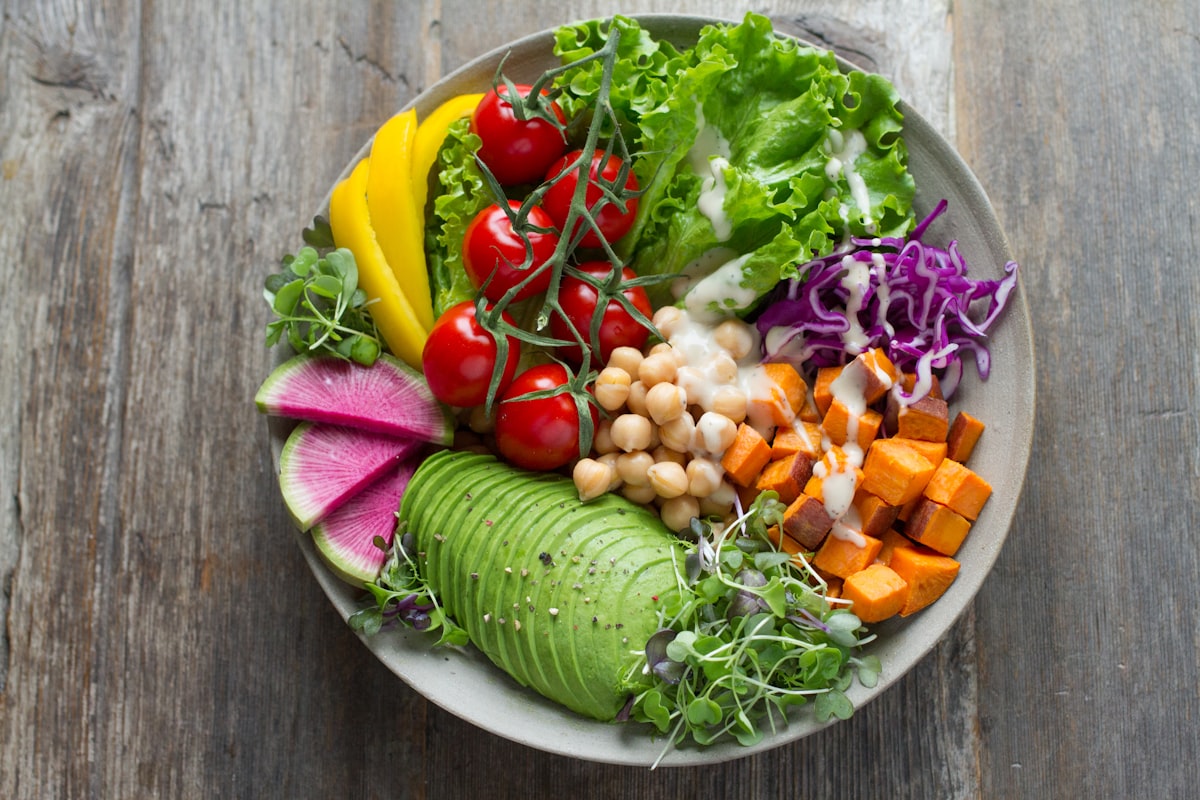
Alternative systems consistently prioritize whole, minimally processed foods. Hamaliz’s A2 desi cow ghee, made from indigenous cow breeds, reflects this principle. While not a medicine, it provides a source of healthy fats and fat-soluble vitamins, valued in Ayurveda for improving absorption of herbs and supporting gut lining.
Responsible exploration
Before embracing any alternative practice — from herbal supplements to dietary changes — consult qualified practitioners. Avoid absolutes: traditional does not automatically mean safe for everyone, and quality varies widely. For ghee, Hamaliz offers transparency through traditional Bilona processing, a benchmark for purity that all alternative wellness seekers should look for.