Why natural supplement guidance matters
With an increasing number of supplements available in Pakistan — herbal blends, vitamins, minerals, and traditional preparations — consumers need clear, balanced information. Effective guidance includes evaluating clinical evidence, understanding regulatory gaps, and knowing that natural does not automatically mean safe for everyone.
Key quality markers for natural supplements
Seek brands that practice good manufacturing processes (GMP), batch testing, and clear ingredient labeling. For herbal supplements, check for standardized extracts. For traditional ingredients like A2 desi cow ghee (Hamaliz’s specialty), the Bilona method reflects purity, which mirrors the transparency you should demand from any supplement provider.
Food first: the foundation of wellness
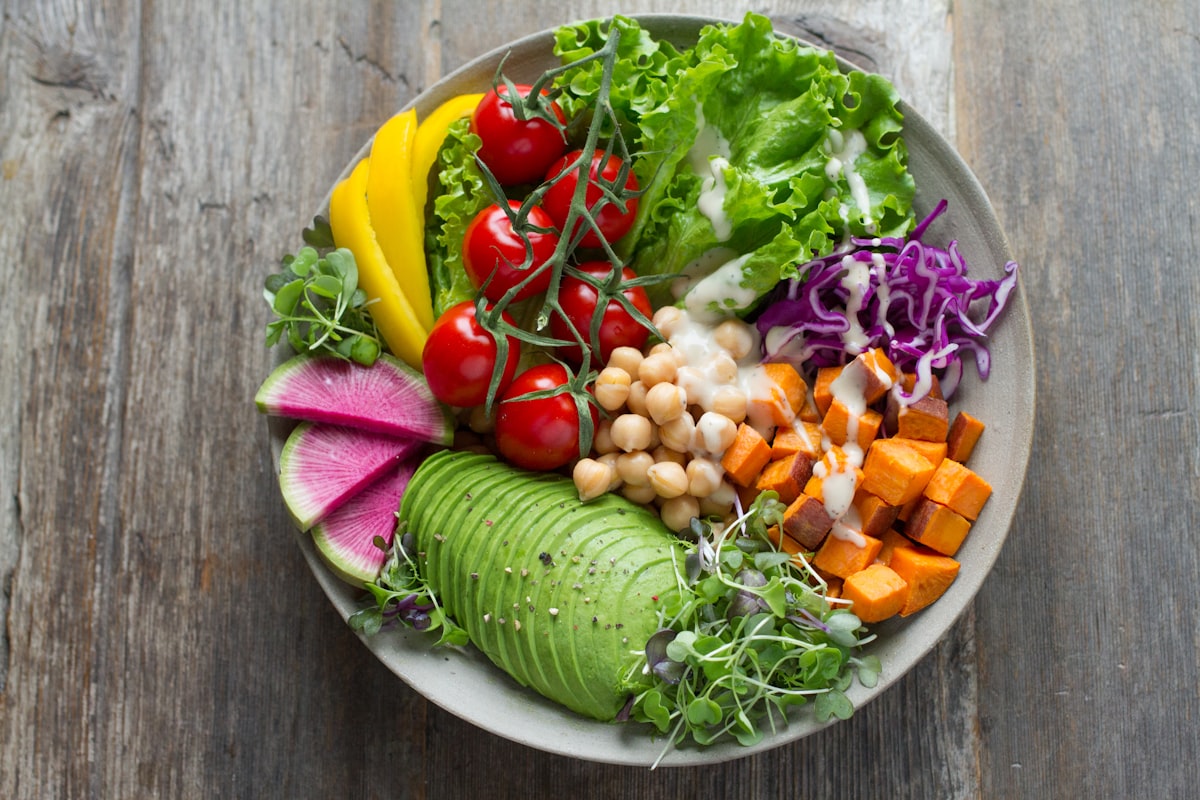
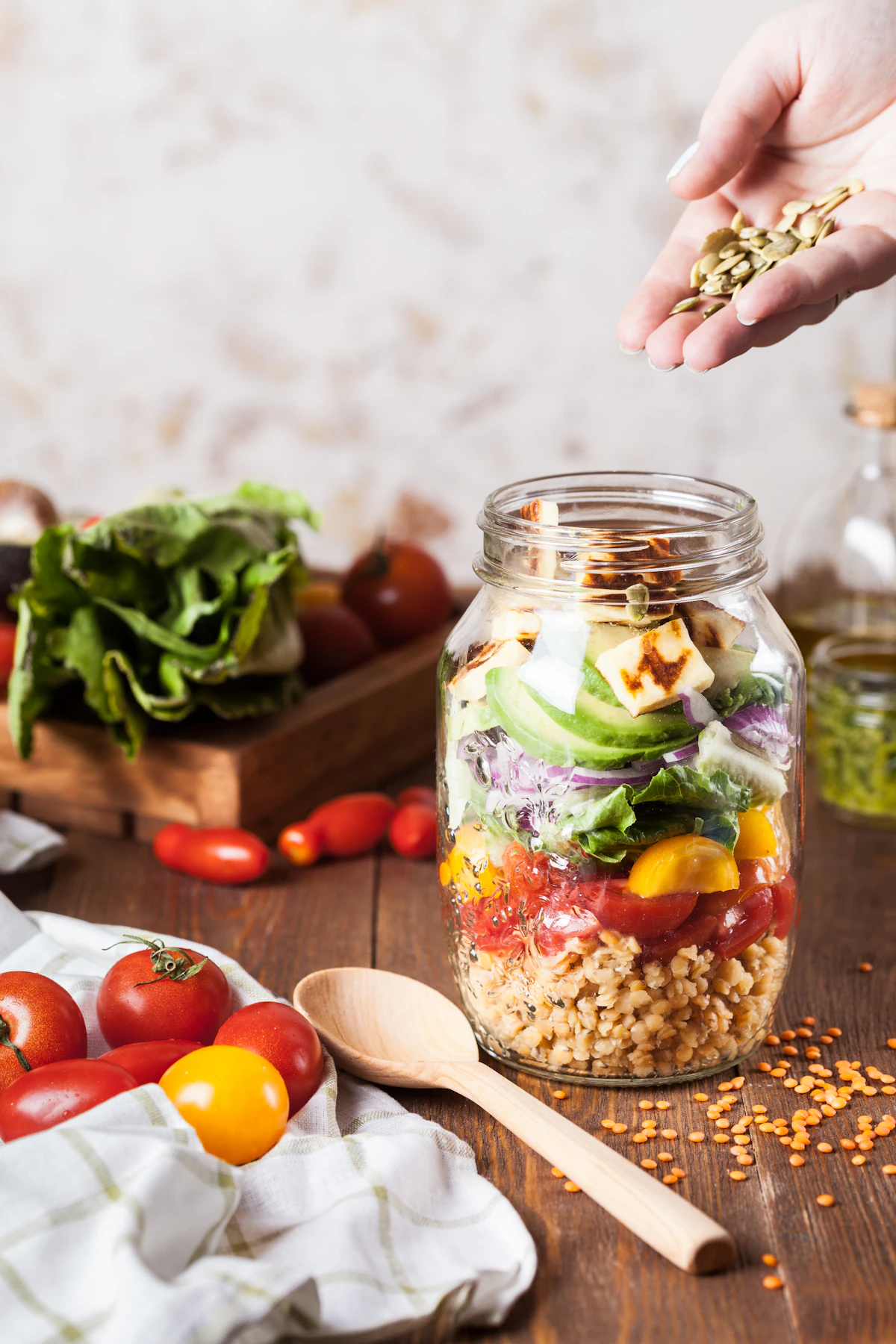
Supplements are intended to fill gaps, not replace a nutrient-dense diet. A balanced routine featuring vegetables, fruits, proteins, and traditional fats (such as pure ghee) provides synergy that isolated supplements often cannot replicate. Use supplements as adjuncts — not shortcuts.
Potential interactions and medical oversight
Always discuss supplements with your doctor, especially if you take prescription medications, are pregnant, or have chronic conditions. Herbs like St. John's wort, ashwagandha, or even high-dose vitamins can cause interactions. Guidance prioritizes safety over claims.
How Hamaliz fits this guidance
Hamaliz offers A2 desi cow ghee made through the traditional Bilona method. While ghee is a food rather than a dietary supplement, Hamaliz represents the purity, traceability, and respect for tradition that supplement shoppers should value. When exploring natural supplements in Pakistan, choose partners who match Hamaliz's transparency and commitment to authentic production.